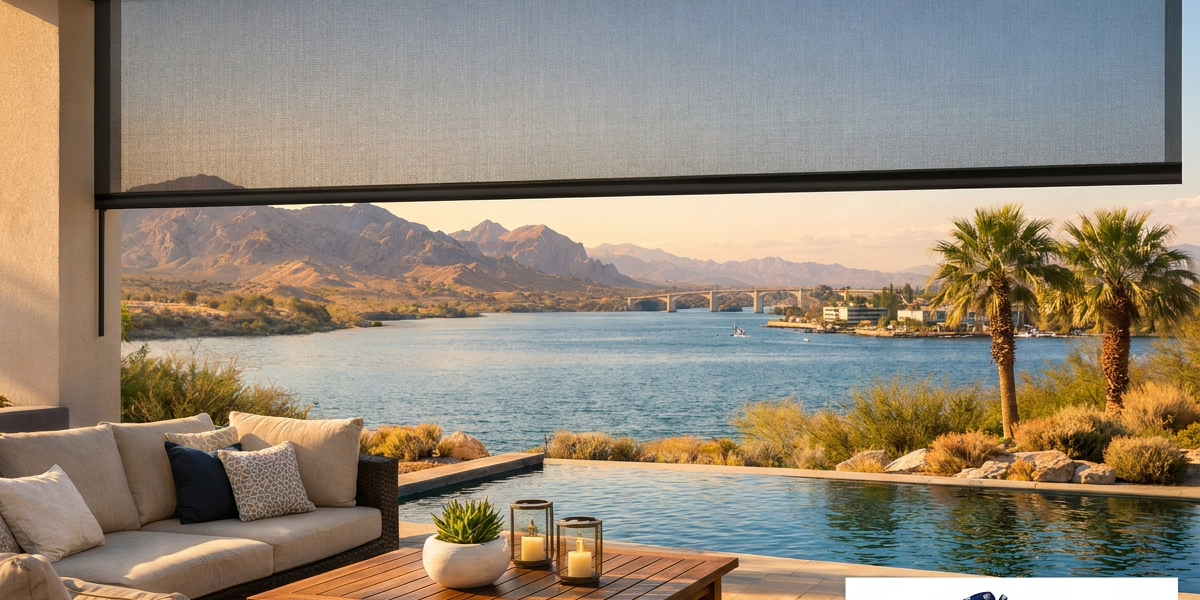
Outdoor screens can completely change how you use your patio, porch, or lanai. They create shade, improve comfort, increase privacy, and help protect your outdoor space from the elements. But not all outdoor screens are built the same.
Before making an investment in a screen system, it’s important to know what separates a high-quality, long-lasting solution from a short-term fix. Use this checklist when comparing outdoor screens or shades so you choose a system designed for your space—with the performance, reliability, and long-term value you deserve.
1. Durability and material quality
One of the first things to evaluate is the quality of the materials. High-quality outdoor screens should be made from:
Heavy-duty, weather-resistant fabrics
Corrosion-resistant hardware
Reinforced stitching or welded seams
Strong aluminum or powder-coated housings
Look for fabrics designed specifically for outdoor exposure, such as solar mesh, insect mesh, or marine-grade vinyl. These materials should resist tearing, fading, and breakdown from sun, wind, and moisture.
Because outdoor screens are exposed year-round, material quality directly impacts how well your investment holds up over time.
2. Wind resistance and structural stability
Wind is one of the biggest stressors on outdoor screens. A strong breeze can cause lower-quality systems to flap, stretch, or even pull free from their tracks.
When comparing systems, ask:
Is the screen secured in a track system?
Does it use a tensioning mechanism to prevent sagging?
Has it been tested for high-wind performance during storms?
High-quality systems often feature side-track designs or self-tensioning technology that help keep the screen secure and tight. This reduces movement, prevents gaps, and supports long-term structural integrity.
3. UV protection and solar performance
Outdoor screens aren’t just about shade—they’re about controlling heat and UV exposure.
Look for solar screen fabrics that:
Block a significant percentage of UV rays
Reduce glare
Lower heat transfer into covered spaces
Help protect outdoor furniture from fading
Different fabric openness levels (such as 80%, 90%, 95%, or 97% solar block) offer varying degrees of sun protection and visibility. A higher percentage typically means greater UV blocking and heat reduction.
4. Insect protection
For many homeowners, outdoor screens are a game-changer for keeping bugs out.
If insect control is a priority, look for:
Fine-weave mesh
Tight side-track systems that prevent gaps
Secure bottom seals
A high-quality insect screen should allow airflow while still preventing mosquitoes, flies, and other pests from entering your outdoor space.
5. Privacy without losing light
Outdoor screens can enhance privacy, but the level of privacy varies depending on material choice.
When evaluating privacy, consider:
Fabric density and openness percentage
Daytime vs. nighttime visibility
Color options (darker fabrics often provide better outward visibility with daytime privacy)
A good screen system should balance privacy with natural light and visibility, allowing you to enjoy your view without feeling exposed.
6. Ease of operation and automation
Convenience is a key factor in long-term satisfaction.
Ask yourself:
Is the screen manual, motorized, or both?
Can it be integrated with smart home systems?
Does it include remote or wall-switch operation?
Motorized and automated systems allow you to raise or lower screens quickly as weather conditions change. This flexibility makes it easier to adapt your space throughout the day.
7. Custom fit and professional installation
Outdoor spaces vary in size and layout. A high-quality screen system should be custom-fitted rather than one-size-fits-all.
Look for systems that:
Are measured and fabricated specifically for your opening
Integrate cleanly with your home’s architecture
Maintain a tight seal along edges and corners
Proper installation plays a major role in performance. Even the best materials can underperform if they are not installed securely and accurately.
8. Long-term reliability and maintenance
An outdoor screen is not just a seasonal accessory—it’s a long-term addition to your home.
Before making your decision, consider:
How the system handles daily use
The warranty details, and whether parts are serviceable or replaceable
How easy it is to clean the fabric
The manufacturer’s reputation for reliability
High-quality systems are engineered for repeated operation and seasonal changes. They should maintain tension, alignment, and performance year after year with minimal upkeep.
9. Year-round versatility
The best outdoor screens serve multiple purposes.
Beyond sun and insect control, many systems can help with:
Wind moderation
Debris reduction
Temperature regulation
Creating a more defined outdoor living area
When evaluating your options, think about how the screen will function across different seasons. A versatile system increases usability and enhances the overall outdoor living experience.
A smarter investment in outdoor living
Choosing high-quality outdoor screens is about more than comfort—it’s an investment in your home.
MagnaTrack screens combine durable materials, secure side-track technology, and customizable fabrics to create outdoor spaces that are cleaner, more comfortable, and functional year-round.
A professionally installed system can enhance curb appeal, extend usable square footage, and add lasting value to your home.
Want a quote for MagnaTrack screens?
Shaver’s Garage Doors (Automatic Patio Screens division) can help you compare fabric options and design a system that fits your space.
Call: 928-453-1764
Email: service@shaversdoors.com
Ready to Get Started?
Contact us today for a free consultation and estimate. Our friendly team is here to help you every step of the way.